
Essential Laboratory Equipment for Food Microbiologists and Researchers
Summary
Food microbiology is a critical field that ensures the food safety, quality, and compliance of food products. For researchers and laboratory professionals, having the right laboratory equipment is essential to conduct accurate, reproducible, and safe experiments.
Whether you’re testing for pathogens, performing microbial counts, or studying fermentation processes, the right tools enhance efficiency, accuracy, and safety.
This guide outlines the essential laboratory equipment every food microbiologist and researcher should have, along with tips for selecting high-quality tools.
1. Autoclave / Sterilizer
An autoclave is essential for sterilizing media, glassware, instruments, and waste. Sterility is critical in food microbiology to prevent contamination.
Why it’s essential:
- Sterilizes growth media and lab instruments effectively.
- Reduces risk of contamination during experiments.
- Ensures safe disposal of microbial waste.
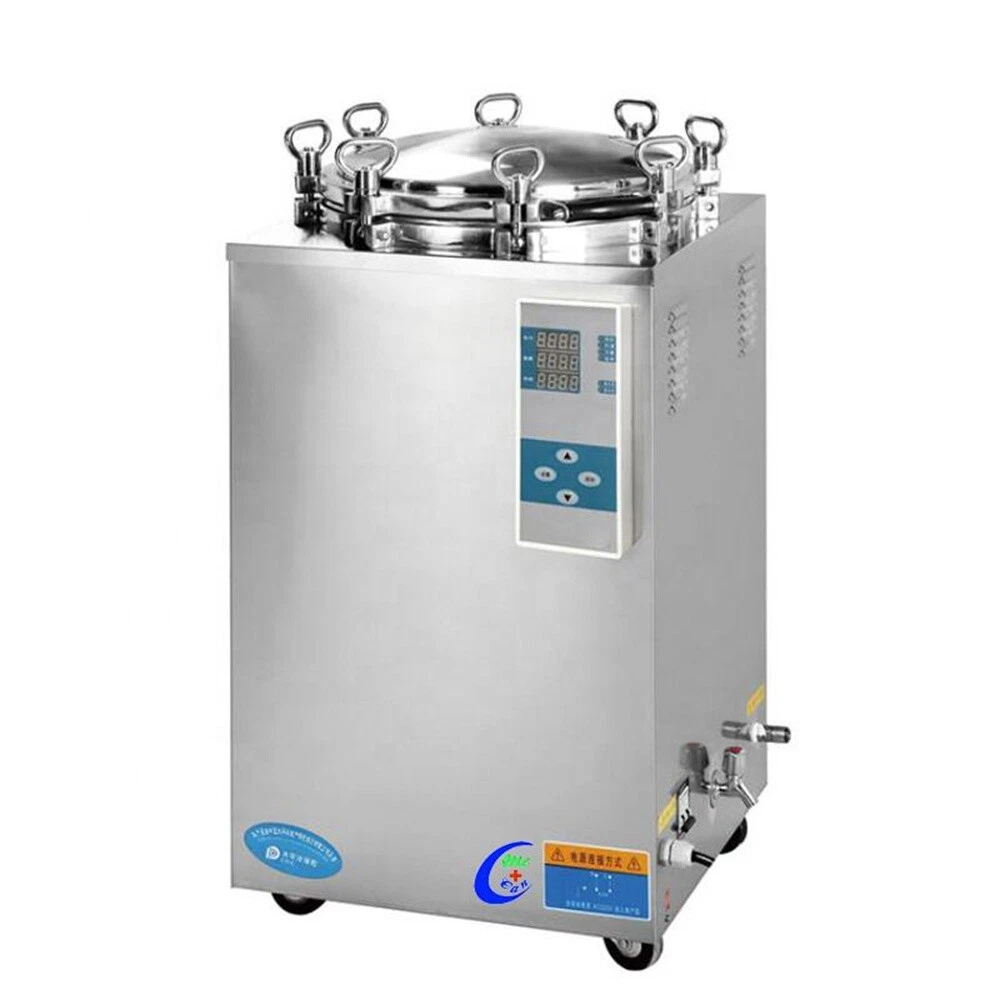
Look at this laboratory autoclave for reliable sterilization.
Tips: Ensure proper validation and routine maintenance to maintain performance.
2. Laminar Flow Cabinet / Biosafety Cabinet
A laminar flow or biosafety cabinet provides a contamination-free workspace for handling microorganisms. Biosafety cabinets also protect researchers from pathogenic strains.
Benefits:
- Prevents cross-contamination of samples.
- Protects researchers from biohazard exposure.
- Essential for handling Listeria, Salmonella, E. coli, and other pathogens.
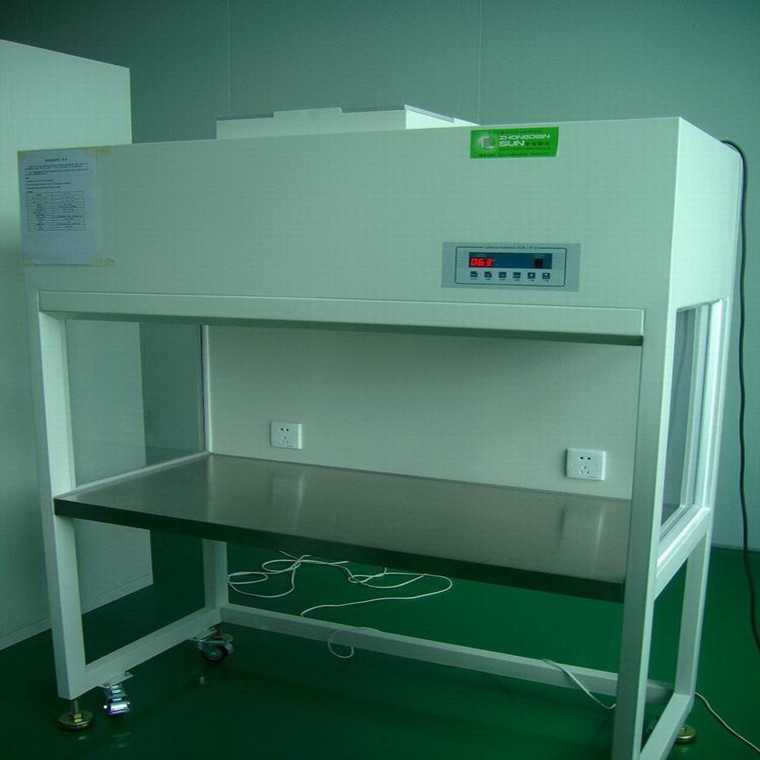
Look at this biosafety cabinet for safe microbial work.
3. Incubators
Incubators maintain specific temperatures for bacterial and fungal growth, crucial for experiments in food microbiology.
Why it’s important:
- Provides controlled environments for microbial growth.
- Essential for plate incubation, broth cultures, and fermentation studies.
- Some incubators offer shaking functions for uniform growth.
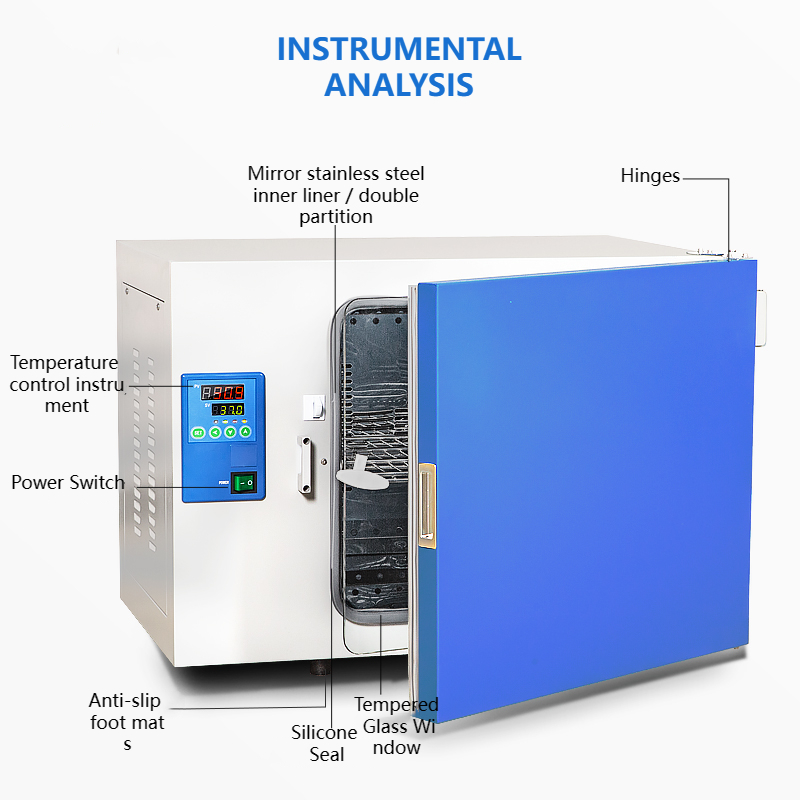
Look at this laboratory incubator with temperature control for precise results.
Tip: Select incubators with adjustable temperature ranges (25–45 °C) for different microbes.
4. Microscopes
Microscopy is fundamental for observing bacteria, yeast, molds, and cell morphology. High-quality microscopes allow researchers to identify microorganisms and study their characteristics.
Key features to look for:
- Brightfield or phase-contrast options for detailed observation.
- High magnification (up to 1000x) for bacteria.
- LED illumination for clear imaging.
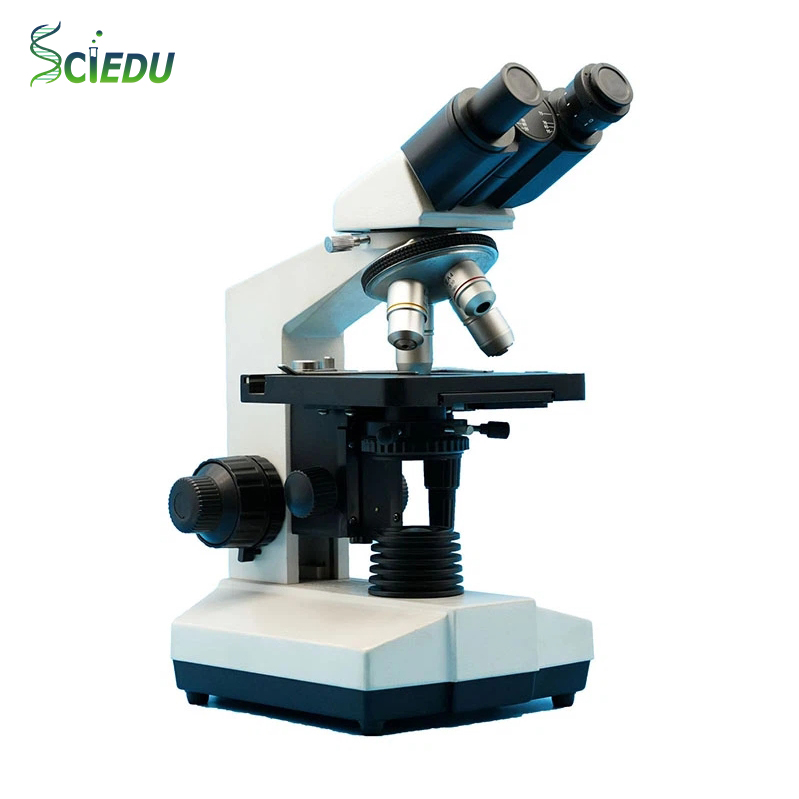
See this compound microscope suitable for food microbiology labs.
5. Autopipettes and Micropipettes
Accurate liquid handling is essential in microbiology. Autopipettes or micropipettes allow precise measurement of reagents, dilutions, and microbial suspensions.
Advantages:
- Reduces human error in sample preparation.
- Ensures reproducibility in experiments.
- Compatible with sterile tips to prevent contamination.
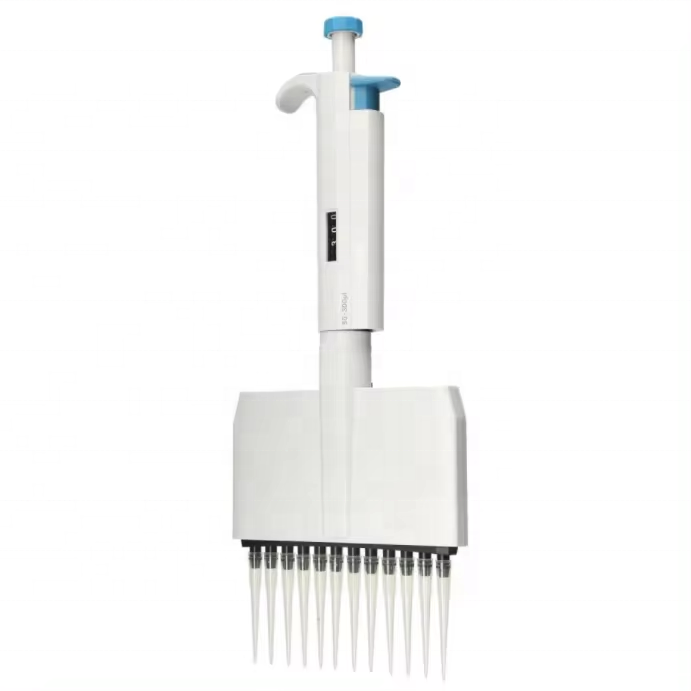
Look at this micropipette set for precise laboratory work.
Tip: Always calibrate pipettes regularly for accuracy.
6. pH Meters and Conductivity Meters
Measuring pH and conductivity is critical in food microbiology, especially for fermentation studies, preservation, and microbial growth control.
Why they’re important:
- Ensures optimal growth conditions for microbes.
- Monitors acidity or alkalinity in food products.
- Supports compliance with regulatory standards.
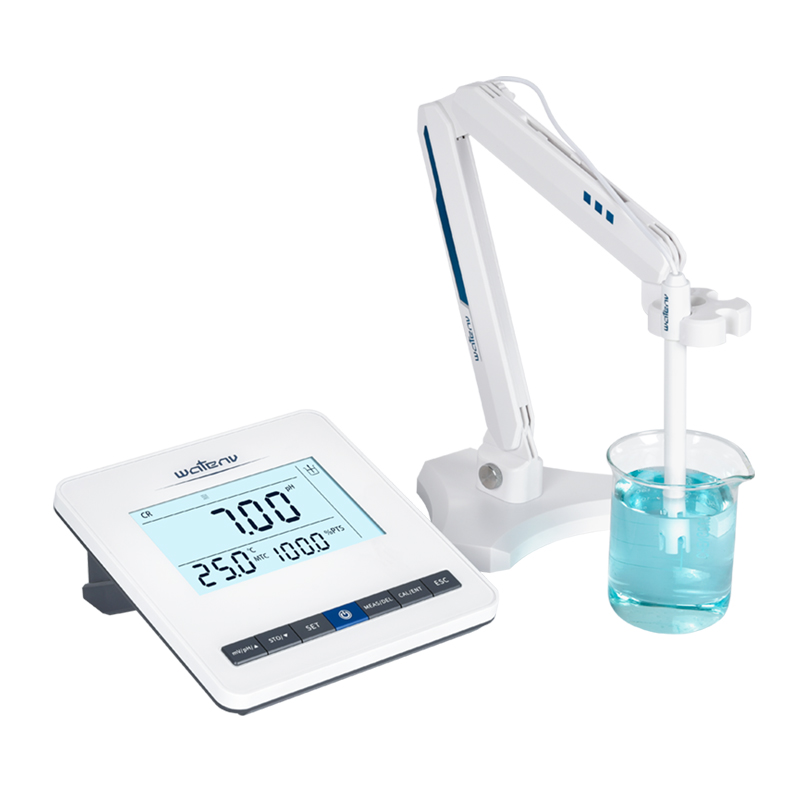
View this digital pH meter for laboratory use.
7. Colony Counters
Counting microbial colonies accurately is vital for Total Plate Count (TPC), E. coli, Listeria, or yeast and mold enumeration.
Benefits:
- Provides fast, reliable, and accurate counts.
- Reduces eye strain from manual counting.
- Integrates with software for recording and reporting.
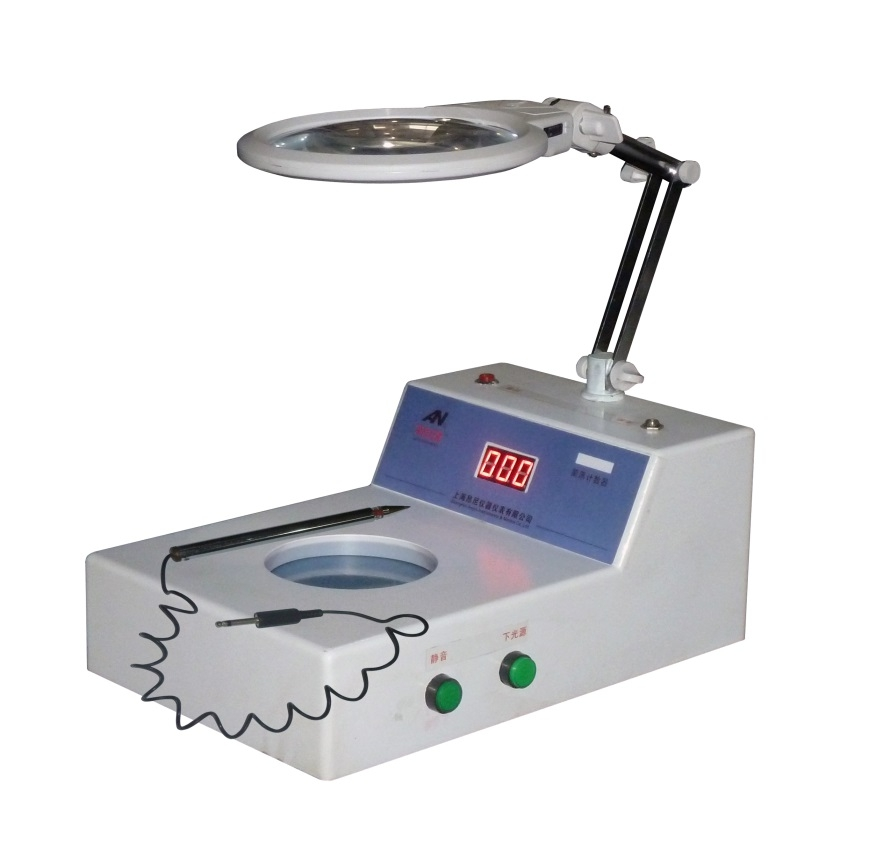
Check out this digital colony counter for efficient enumeration.
8. Water Baths
Water baths maintain consistent temperatures for incubation of microbial cultures, enzyme assays, or heating samples.
Advantages:
- Ensures uniform heating for sensitive experiments.
- Supports various microbiological assays.
- Some models include shaking or circulating features for precision.
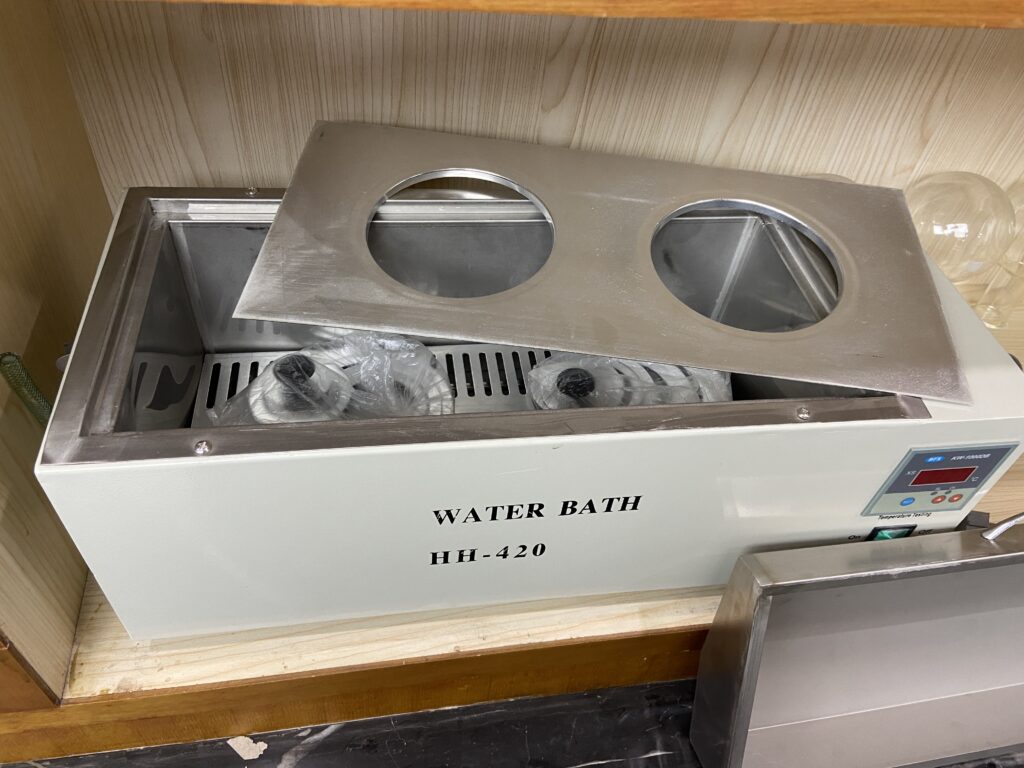
see this laboratory water bath for controlled heating.
9. Analytical Balance
An analytical balance is essential for accurately weighing chemicals, media components, and supplements for microbial growth.
Why it matters:
- Ensures precise media formulation for reproducible results.
- Reduces errors that could affect microbial growth or experiment outcomes.
- Crucial for quality control and research standardization.
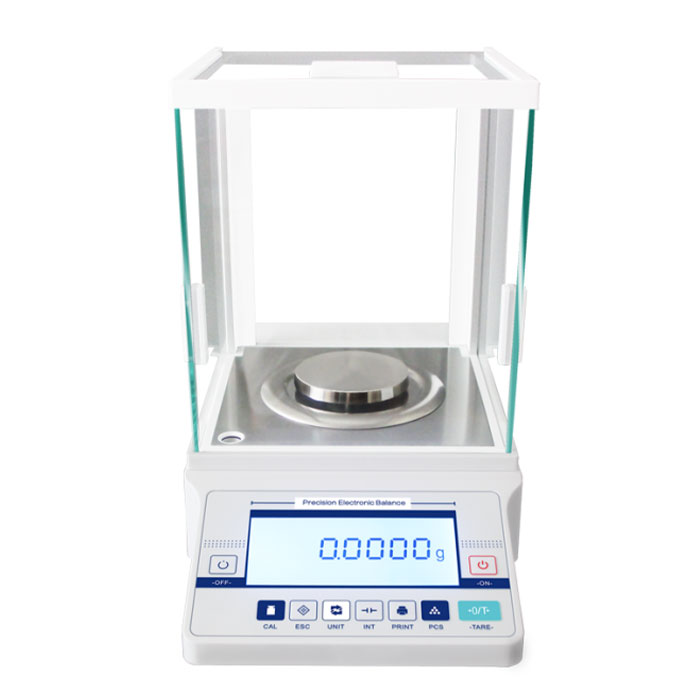
Look at this high-precision analytical balance for food microbiology labs.
10. Refrigerator and Freezer Units
Proper storage of samples, reagents, and microbial cultures requires refrigerators and freezers that maintain stable temperatures.
Benefits:
- Preserves bacterial cultures, enzymes, and sensitive reagents.
- Prevents spoilage and contamination.
- Essential for sample integrity in research labs.
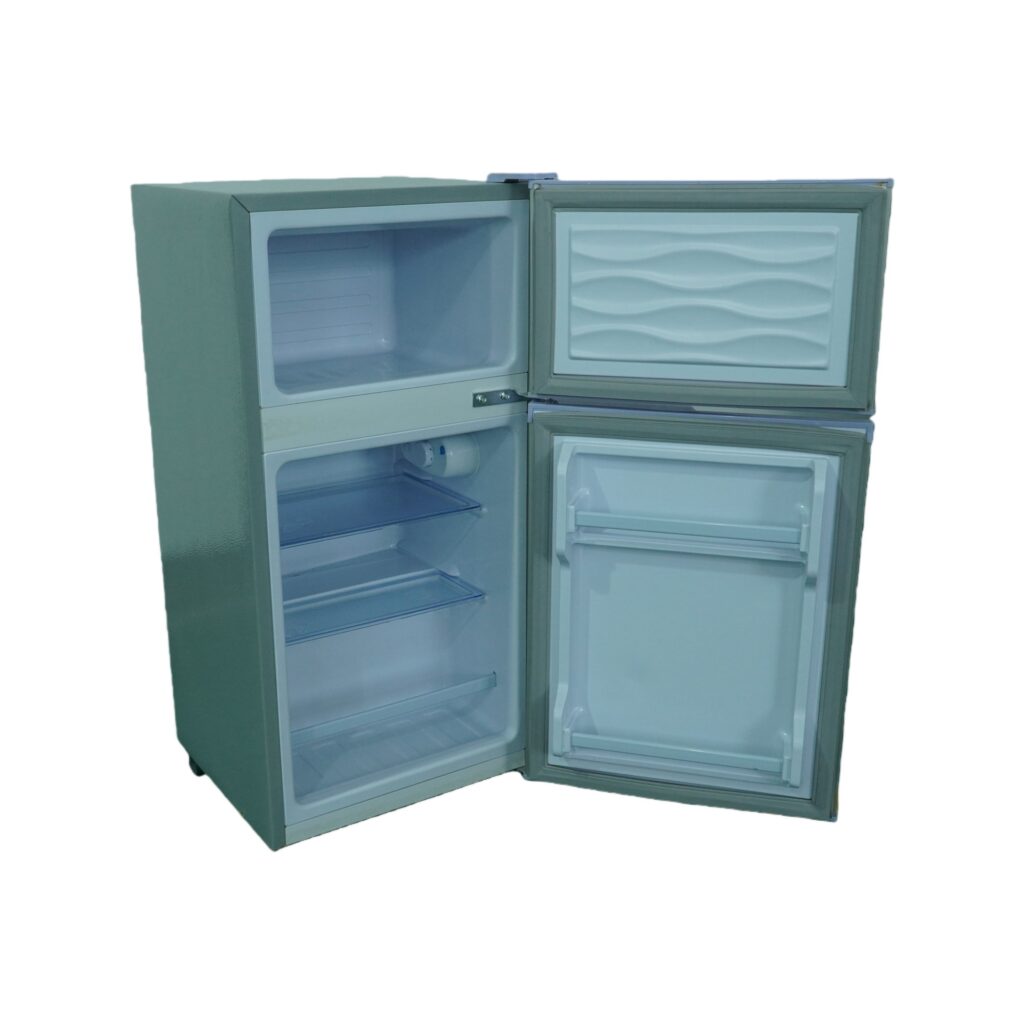
Look at this laboratory refrigerator and freezer set for safe storage.
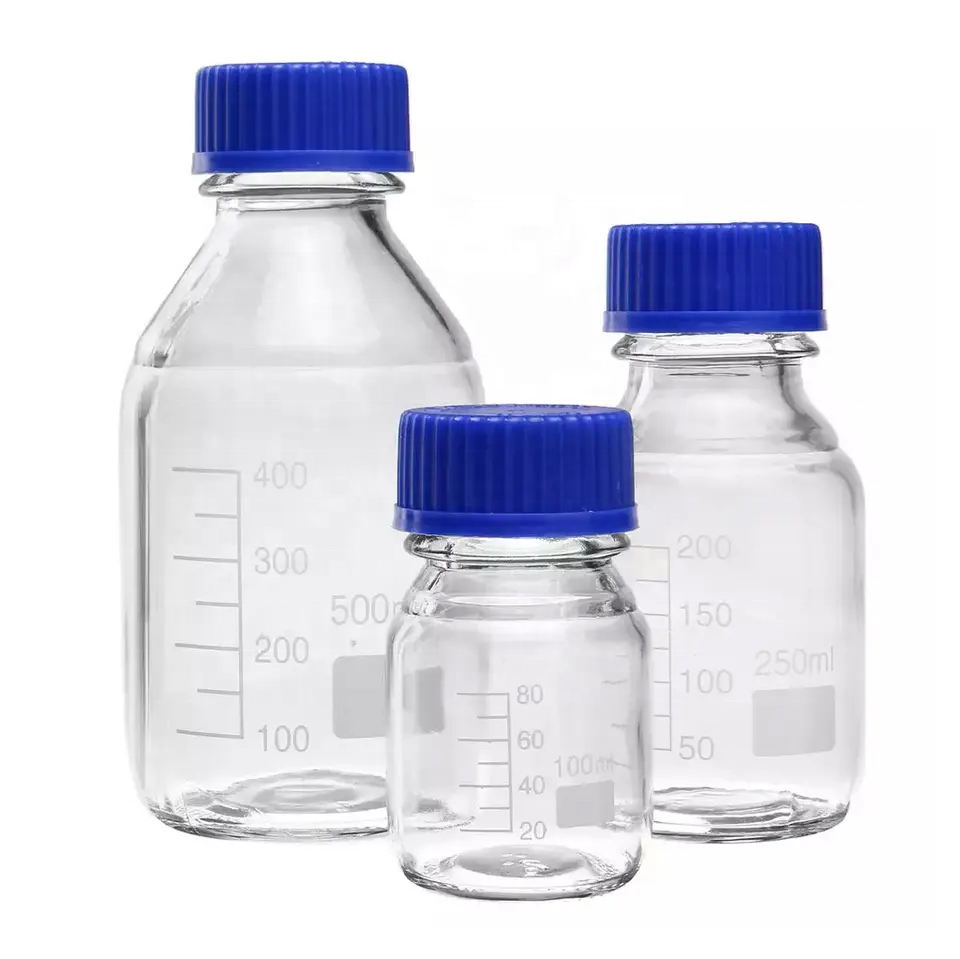
11. Autoclaved Media Bottles and Petri Dishes
Sterile media bottles, agar plates, and Petri dishes are foundational in any microbiology lab. Ready-to-use options save time and reduce contamination risk.
Tip: Use disposable Petri dishes to minimize cleaning and cross-contamination.
12. Safety Equipment
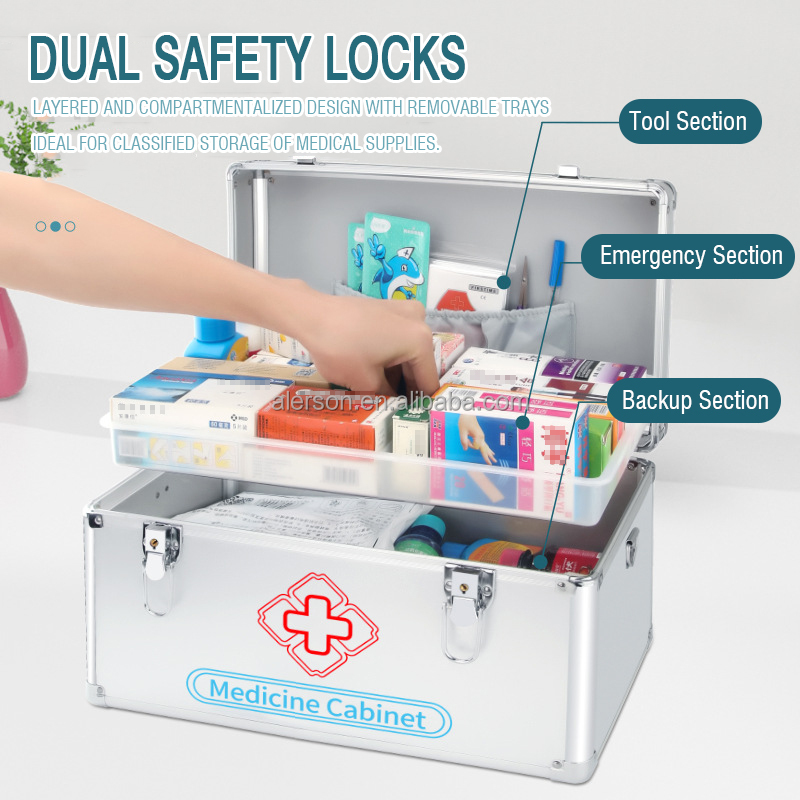
No lab is complete without PPE and safety tools, including:
- Lab coats, gloves, and goggles.
- Eye wash stations.
- First aid kits.
- Spill containment tools.
Tips for Selecting Laboratory Equipment
- Quality & Durability: Choose stainless steel, high-quality plastics, and durable electronics for longevity.
- Ease of Cleaning: Equipment that’s easy to sanitize reduces contamination risk.
- Calibration & Accuracy: Regular calibration ensures reproducible results.
- Space Efficiency: Select compact equipment suitable for your lab size.
- After-Sales Support: Warranty, spare parts, and technical support are essential for reliable operation.
Conclusion
For food microbiologists and researchers, having the right laboratory equipment is more than a convenience—it’s crucial for accuracy, safety, and reproducibility.
From autoclaves and incubators to microscopes, colony counters, and pH meters, each piece of equipment plays a role in ensuring reliable results and maintaining food safety standards.
Check for the latest prices for lab equipment at alibaba.com to equip your lab for success today!